Les Indiennes
Words by Aziza Gril-Mariotte
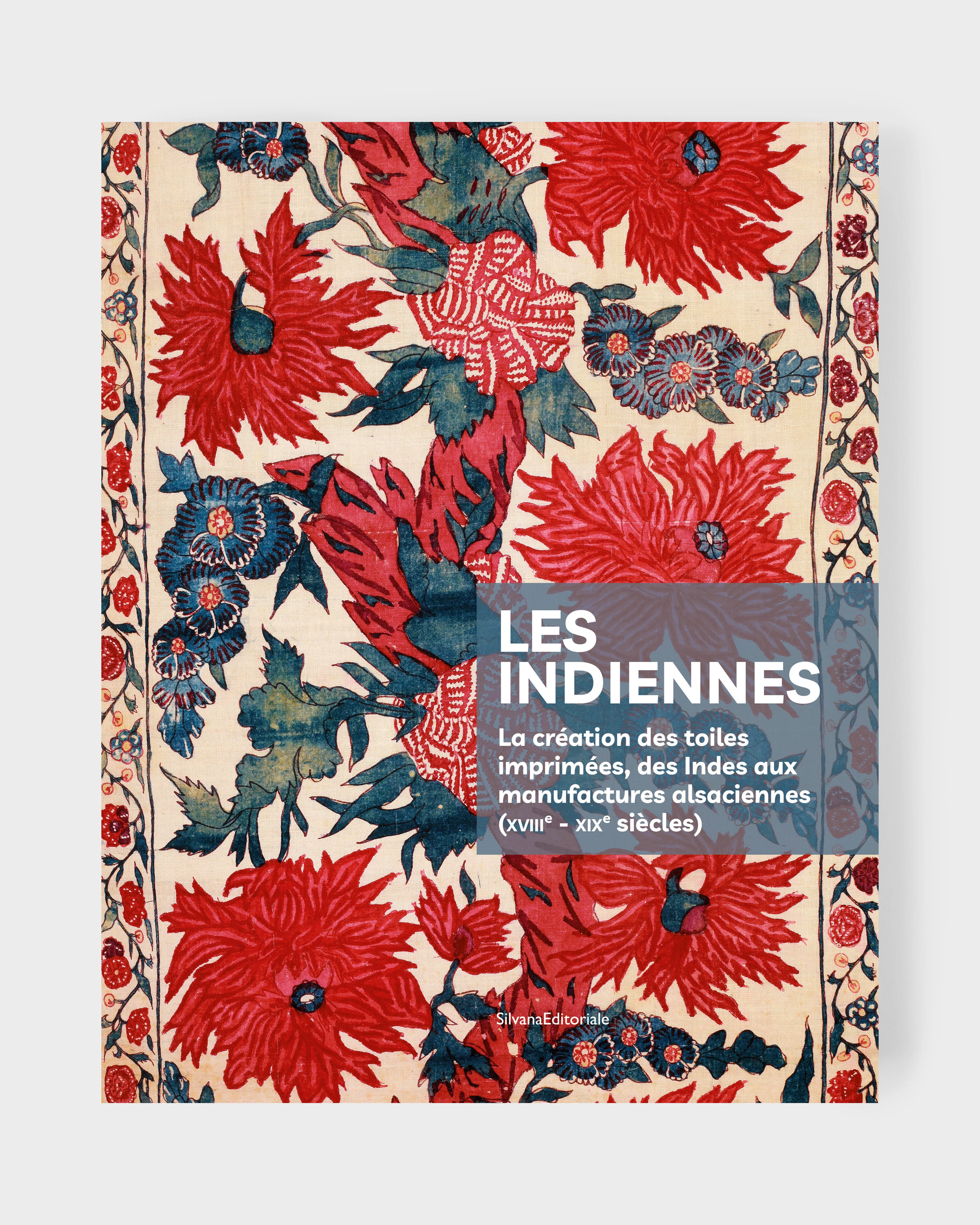
This book presents a history of indiennes from the perspective of techniques, in order to understand how this industrial art developed through the creation of new patterns and technical and chemical innovations. An object of research and curiosity in the early modern period, these textiles formed, from the second half of the eighteenth century onward, a new branch of the textile industry that established the reputation of Mulhouse and its surrounding region. The book offers a history of the introduction of these processes in Europe and an in-depth look inside the factories, drawing on a rich body of printed sources that make it possible to better understand manufacturing processes.
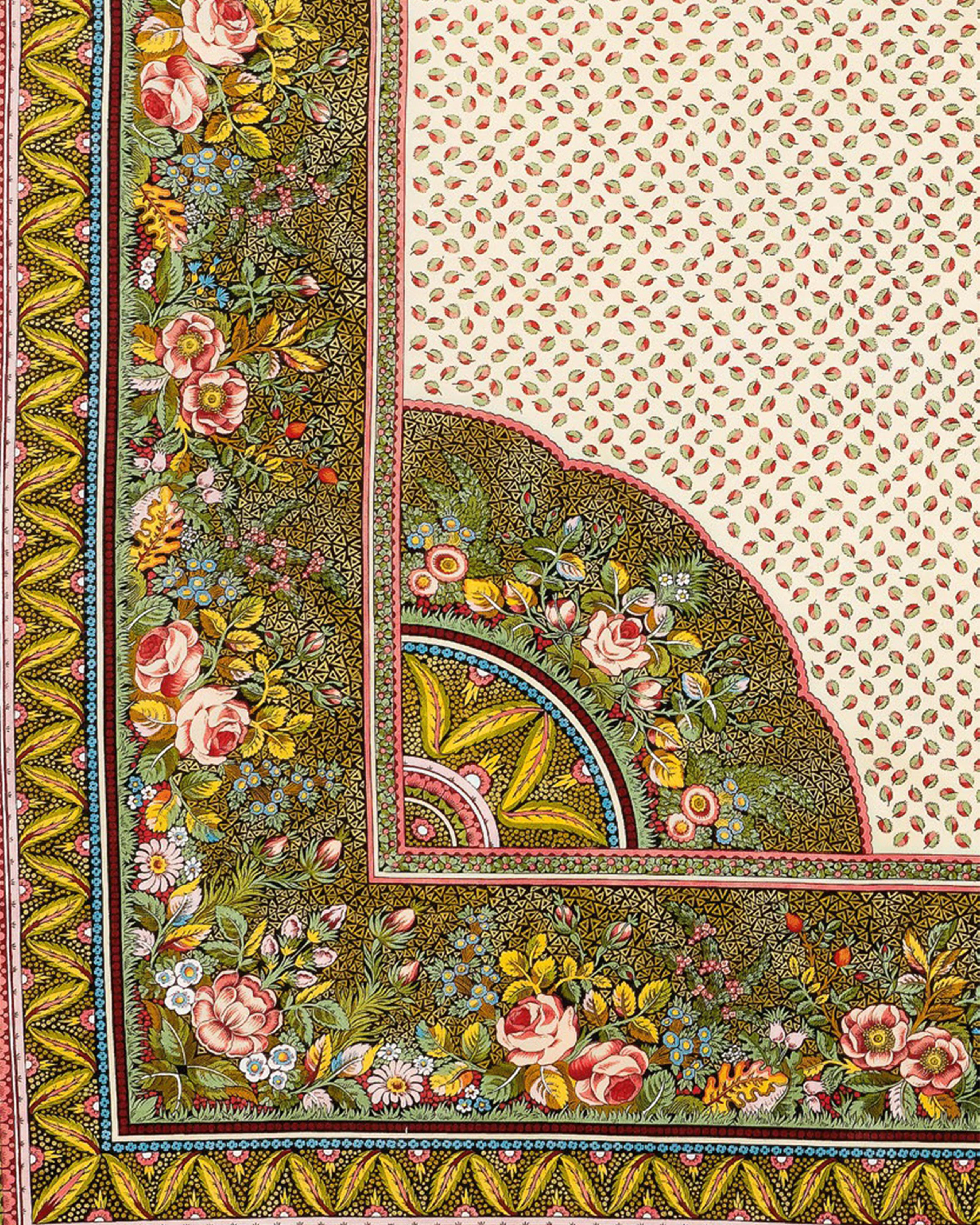
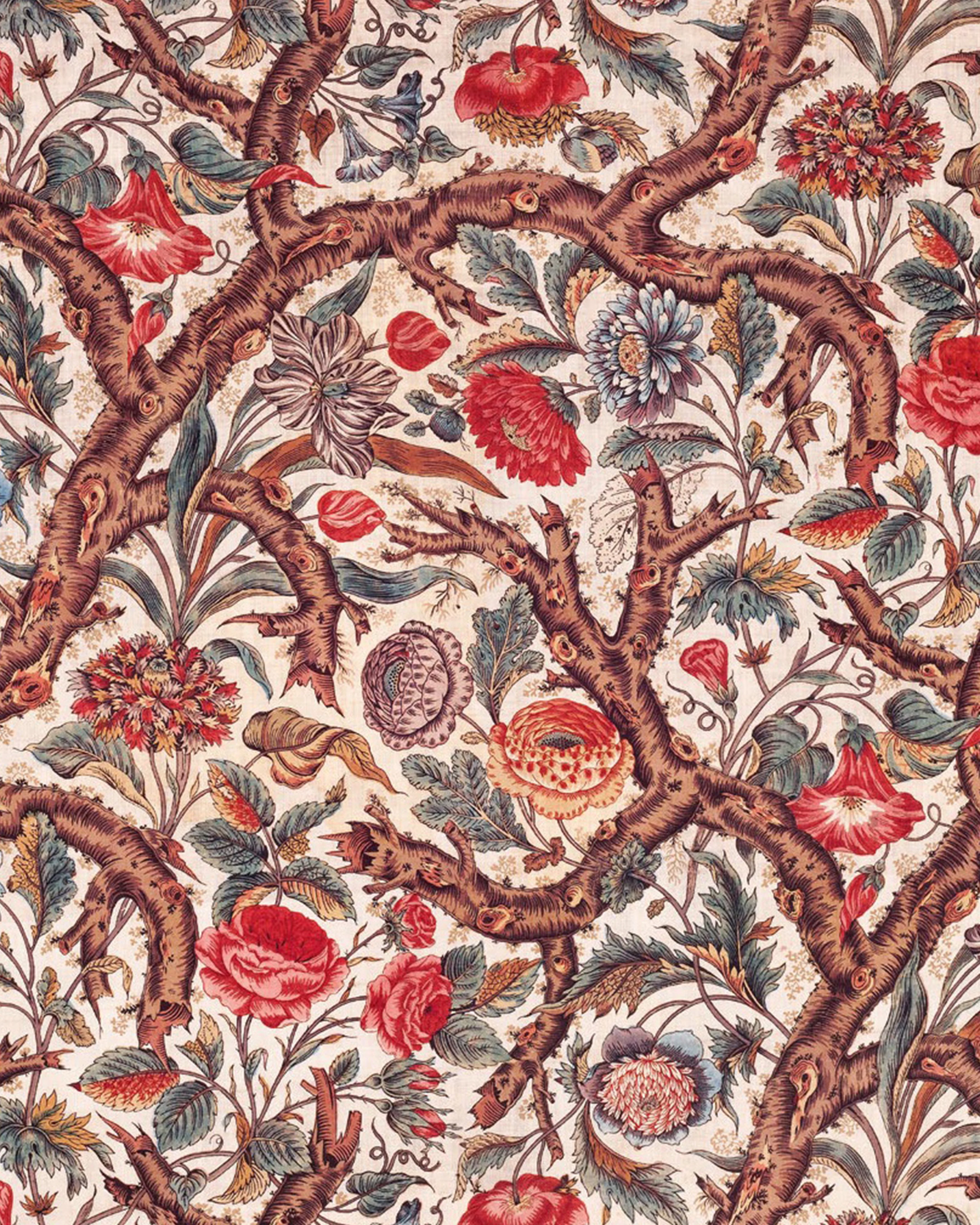
The history of indiennage techniques fascinated many authors in the nineteenth century, often serving as an introduction to works devoted to technical or chemical processes, at a time when scientific literature was undergoing significant development. This historical section, richly illustrated with more than fifty images (printed textiles and engravings from technical books), supplemented by contemporary photographs of machines preserved at the Museum of Printed Textiles, continues with the publication of a previously unpublished source: the manuscript of a Basel manufacturer dated 1766, transcribed and annotated, forming the second part of the book.
The work therefore rests on this dual content: an illustrated historical narrative aimed at a broad readership, and a historical source made available to the community of scholars interested in the history of technology and the industrial world of the Enlightenment.
Published by Silvana Editoriale
Note: The content of this book is in French.
Product Information
Product Information
Shipping & Returns
Shipping & Returns
Les Indiennes
Les Indiennes
Words by Aziza Gril-Mariotte
This book presents a history of indiennes from the perspective of techniques, in order to understand how this industrial art developed through the creation of new patterns and technical and chemical innovations. An object of research and curiosity in the early modern period, these textiles formed, from the second half of the eighteenth century onward, a new branch of the textile industry that established the reputation of Mulhouse and its surrounding region. The book offers a history of the introduction of these processes in Europe and an in-depth look inside the factories, drawing on a rich body of printed sources that make it possible to better understand manufacturing processes.
The history of indiennage techniques fascinated many authors in the nineteenth century, often serving as an introduction to works devoted to technical or chemical processes, at a time when scientific literature was undergoing significant development. This historical section, richly illustrated with more than fifty images (printed textiles and engravings from technical books), supplemented by contemporary photographs of machines preserved at the Museum of Printed Textiles, continues with the publication of a previously unpublished source: the manuscript of a Basel manufacturer dated 1766, transcribed and annotated, forming the second part of the book.
The work therefore rests on this dual content: an illustrated historical narrative aimed at a broad readership, and a historical source made available to the community of scholars interested in the history of technology and the industrial world of the Enlightenment.
Published by Silvana Editoriale
Note: The content of this book is in French.
Original: $46.98
-65%$46.98
$16.44Product Information
Product Information
Shipping & Returns
Shipping & Returns
Description
Words by Aziza Gril-Mariotte
This book presents a history of indiennes from the perspective of techniques, in order to understand how this industrial art developed through the creation of new patterns and technical and chemical innovations. An object of research and curiosity in the early modern period, these textiles formed, from the second half of the eighteenth century onward, a new branch of the textile industry that established the reputation of Mulhouse and its surrounding region. The book offers a history of the introduction of these processes in Europe and an in-depth look inside the factories, drawing on a rich body of printed sources that make it possible to better understand manufacturing processes.
The history of indiennage techniques fascinated many authors in the nineteenth century, often serving as an introduction to works devoted to technical or chemical processes, at a time when scientific literature was undergoing significant development. This historical section, richly illustrated with more than fifty images (printed textiles and engravings from technical books), supplemented by contemporary photographs of machines preserved at the Museum of Printed Textiles, continues with the publication of a previously unpublished source: the manuscript of a Basel manufacturer dated 1766, transcribed and annotated, forming the second part of the book.
The work therefore rests on this dual content: an illustrated historical narrative aimed at a broad readership, and a historical source made available to the community of scholars interested in the history of technology and the industrial world of the Enlightenment.
Published by Silvana Editoriale
Note: The content of this book is in French.